TL:DR
Problem
Protected areas across Latin America are protected on paper but not monitored in practice — leaving reserves with no way to know if they’re actually meeting their conservation goals.
Without the tools or expertise to monitor their own land, reserves depend on scarce outside experts for a slow, bottlenecked process, making it difficult to guide management decisions or make the case for conservation financing.
Challenge
WildMon (a non-profit organization that builds technology to make biodiversity monitoring accessible) was hired for Audubon's Escucha Aves project, to build a platform to scale community monitoring across Colombia, Peru, and Bolivia.
But WildMon's own biodiversity scientists needed it too. Their existing analysis pipeline was only partly built, with an interface for some stages and none for others.
Solution
A 0→1 platform that lets both biodiversity scientists and community collaborators with no AI experience run the whole monitoring workflow themselves. From importing site coordinates and audio, to seeing validated results on a dashboard.
Impact
CHORUS is now active across 8 reserves in Colombia, and will be expanded to 7 more reserves across Peru and Bolivia. The project plans to expand the use of the platform across 70+ reserves in South America.
Role
Solo Product Designer @ WildMon
Timeline
7 months
Platform
Web application
Partners
Audubon, Bezos Earth Fund
What is bioacoustics monitoring?
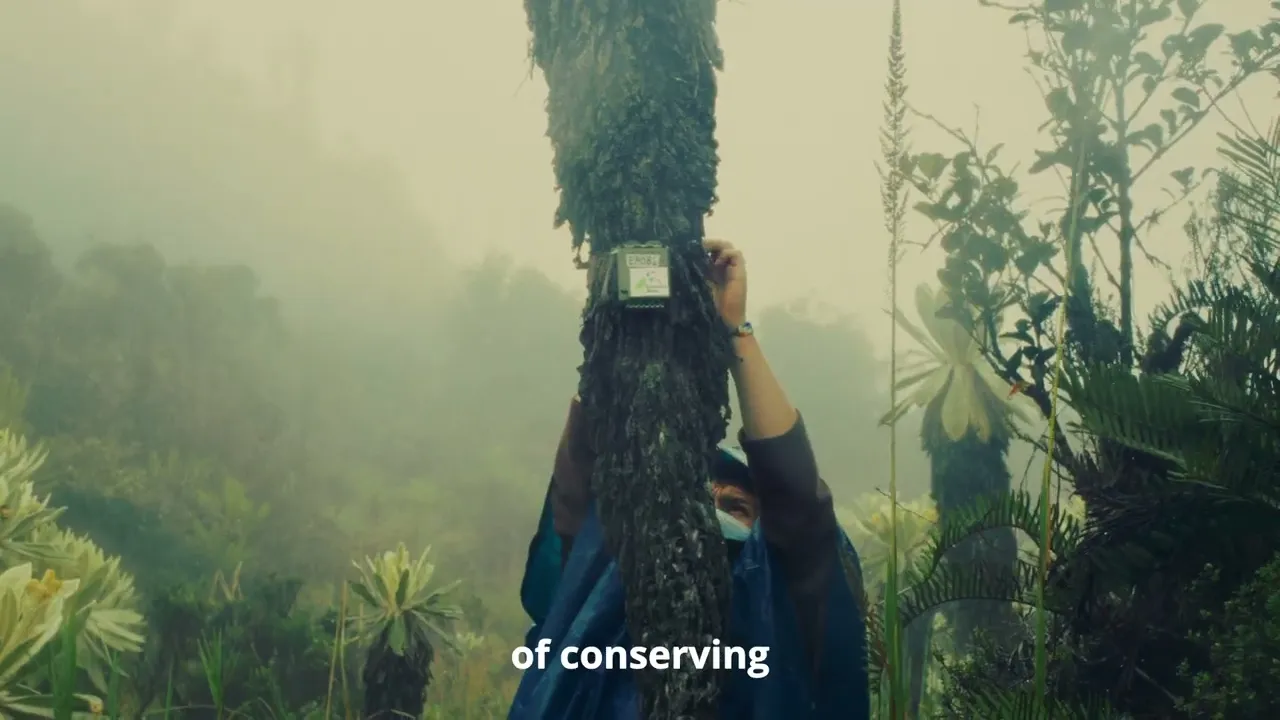
Bioacoustic monitoring identifies which species live in an ecosystem by analyzing the sounds they make, rather than relying on sightings. It matters because most wildlife is hard to observe directly, while sound offers a way to track biodiversity continuously and at scale.

1
Audio recorders are deployed in reserves around the world, capturing sound continuously for weeks or months.
2
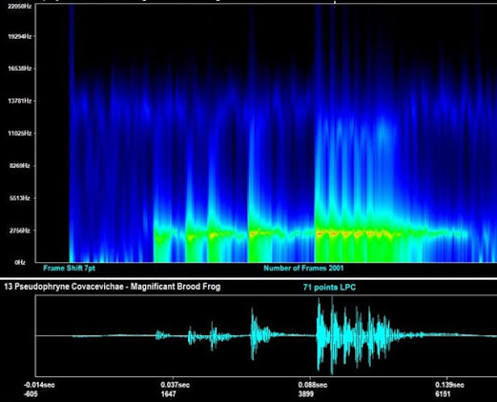
The recordings are processed by species-recognition AI models trained to identify calls in the audio.

3
The result is a record of which species were detected, and when and where - data that can then be visualized, reported, or acted on however a given project needs.
User Journey: Running a bioacoustics monitoring project
I conducted 5 qualitative interviews with scientists and project managers from WildMon, as well as with our partner Audubon to map out the current processes and pain points when running a monitoring project.

The Roadmap
This project focused on designing, building and shipping the MVP.
The MVP consisted of a pipeline that enables users to create a project on the platform with desired user permissions, import coordinates from the field, upload audio from the recorders, generate a potential species list, run AI analysis on the audio recordings, and validate the results of the AI analysis using their chosen validation strategy.

Feature 1
Importing site coordinates
Each time a recorder is deployed at a site, the site's coordinates are logged. These coordinates tie a recording to a specific location, and they shape three things downstream:
Which species the AI considers plausible when it searches the recordings
Where a detection appears when results are shown on a map
Where a recorder should be placed again, if a second round of the study is meant to track change over time
Since coordinates are captured in the field, they have to be imported into the platform.
Where this feature sits in the pipeline:

The Problem
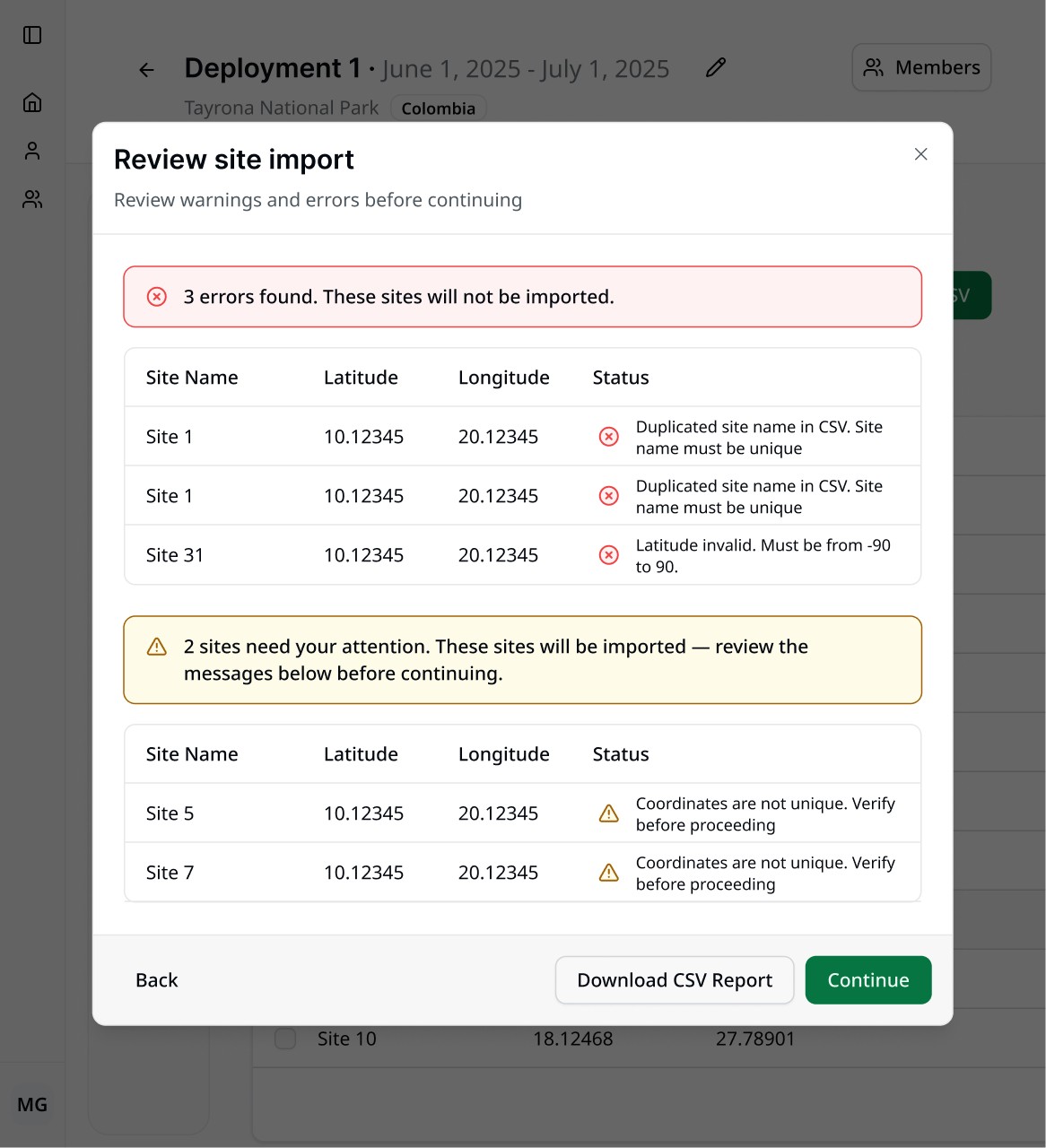
Importing sites is where the biggest data-quality risk enters the platform. Field data collection was out of scope, so we had no control over how coordinates were captured. If bad data entered the pipeline, it would derail the quality of the downstream data.
The Approach
Many field teams use apps to log their site coordinates which have the ability to export a CSV. We decided to build the coordinates importer around this CSV capability, while introducing guardrails to prevent problematic coordinates from entering the platform at all.
The Design Challenge
How do we design a flow that will allow users to import their site names and coordinates quickly, but prevent bad data from getting into the platform?


Feature 2
Building a species list
For the AI to detect species in a recording, someone first has to tell it what to listen for.
A single reserve can hold hundreds of species, and many sound alike, so the AI needs a list of the ones that could plausibly be there. The list narrows its search and lets the platform filter out detections that don't belong, which cuts false positives.
A list of potential species could be generated in 3 ways:
01 Region of interest
An occurrence database could pull up species that have been detected in a certain radius around each site
02 Search
Manually search and add species to the list.
03 CSV Import
Import an existing species list.
Where this feature sits in the pipeline:

The Design Challenge
How do we allow community collaborators to easily generate a species list, while providing flexibility for biodiversity scientists with specific needs?
Feature 3 (redesign)
Validation Strategies
For every species, a human has to manually validate all the clips detected by the AI to ensure they are true presence of the species. Validation was the most manual-effort step in the pipeline — up to three weeks of full-time review on large projects.

The current state
This was a section in the pipeline that already had an interface, but it had some problems. These three problems surfaced through my own evaluation of the existing validation page.
Validation strategies (filters) were hidden under a “sort” label
Filters were used constantly, but they were ephemeral with no permanence.

The current progress tracker was useless
The tracker measured against every detection, but validators were never validating all detections. Strategy filters did not reflect the results in the tracker.

Non-experts had no way to know which validation strategy actually fit their goal.
The current state only served expert users. Choosing a strategy meant already understanding what each one was optimized for.
User Needs
WildMon's own biodiversity scientists were the ones most familiar with the current interface. I conducted informal qualitative interviews with three scientists to understand their process and pain points in depth.
01
Non-expert validators needed to focus their effort on the detections that actually mattered.
02
Project coordinators needed a way to track progress to manage time and resources.
03
Validators needed to work toward two strategies at once — one validating for model training while another validated for species inventory, on the same project.
The strategy
Validators weren't reviewing random clips — they followed a specific strategy based on their project goals.
Depending on the goal, a validator might only need the top n detections of each species per site or per day; someone training a model would instead need n detections across each confidence band. These were already goal-driven choices, just expressed as temporary filters rather than something persistent.
We turned ephemeral filters into a named, persistent validation strategy.
"Best per site" became a strategy instead of a filter — giving the tracker a defined scope to measure against, and giving non-experts a named, chooseable path toward the detections worth their time.


Impact
CHORUS is now active across 8 reserves in Colombia, and rollout will continue to 7 more reserves in Peru, and Bolivia.
Field deployments are complete, and recordings are moving through the platform.


